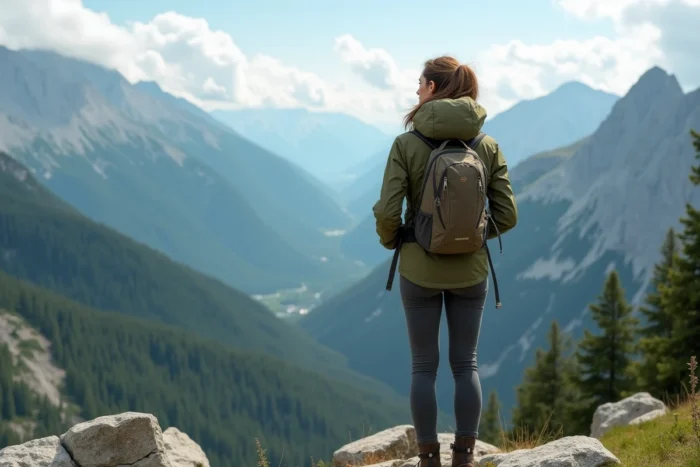
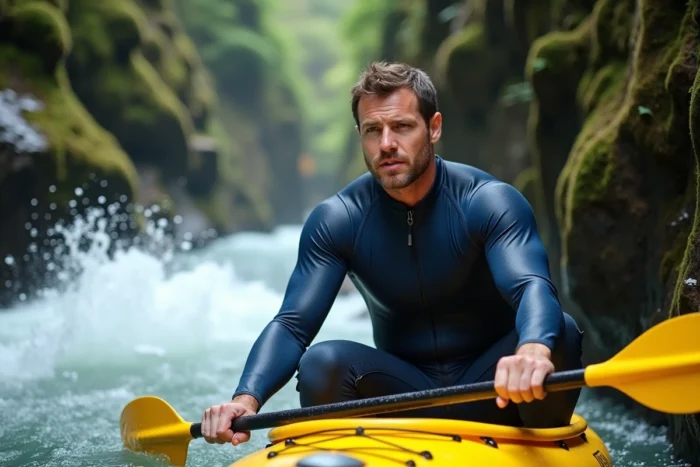
An outdoor activity is defined as a sports, creative, or contemplative practice carried out in a non-developed or minimally developed environment, where the terrain, weather, and wildlife directly influence the experience. This definition excludes theme parks and indoor structures but encompasses a wide spectrum, from hiking to canoeing on wild rivers, including hybrid practices that combine yoga and high-altitude walking.
Nature micro-adventure: a short format that structures outdoor tourism
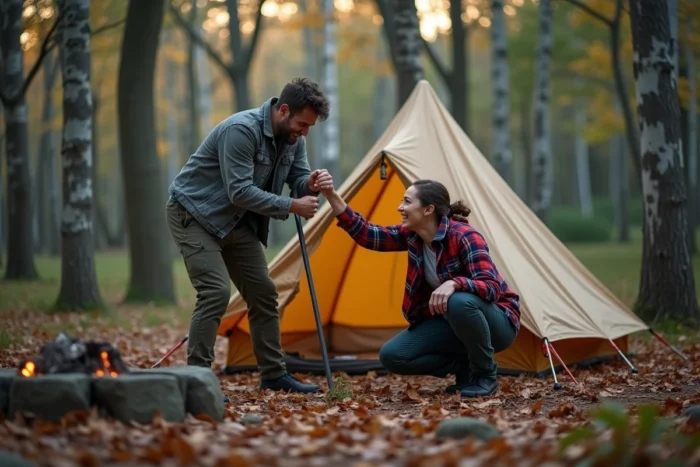
The micro-adventure refers to a short nature outing, typically a day or a weekend, combining several activities within the same trip. The typical format includes a hike, a water activity, a swim, and a night spent in a bivouac or light camping.
This model has standardized to the point of becoming a recurring tourist product offered by specialized operators. Interval Coop, for example, structures its offerings around this “nature day package” tailored for families and couples. The micro-adventure serves as a gateway to the outdoors, without requiring advanced technical skills or expensive equipment.
The principle is based on geographical proximity. No need to cross a continent: a regional park, a navigable river, or a forest massif just a few hours’ drive away is sufficient. In France, the possibilities cover both the Breton coast and the gorges of the Tarn or the Vosges forests. To explore the diversity of available options, the pages of the E-Nomad website gather activities categorized by type and destination.
Wellness hiking and yoga in the mountains: the hybridization of sport and mindfulness
A segment still not widely visible in general outdoor activity lists combines high-altitude walking with yoga, meditation, or breathing exercises. Organizations like Contact-Nature offer dedicated retreats, positioned as a body-mind reconnection experience outdoors.
The physical effort of walking prepares the body for the active recovery of yoga. The sessions take place outdoors, on a high plateau, by a lake, or in a clearing. The natural setting significantly alters the practice compared to an urban studio.
This type of retreat appeals to a broad audience. It does not require a high sports level or prior yoga practice. The routes are designed to allow time for contemplative breaks without sacrificing the adventurous aspect of hiking.
What distinguishes a hybrid retreat from a simple hike
The difference lies in the intentionality of each step. A hiking-yoga retreat schedules breaks as active times, not just as simple recovery stops. The route is designed based on sites conducive to meditation (clear viewpoints, absence of anthropogenic noise, flat ground for postures).
This structuring transforms walking into an alternating sequence of effort and relaxation, which alters the fatigue felt at the end of the day. Feedback from practitioners indicates a quicker recovery and better sleep quality while bivouacking.
Creative nature activities for families and children
Beyond hiking and canoeing, an expanding educational trend transforms nature outings into creative workshops for children. Ephemeral land art, building insect hotels, orienteering courses, and permaculture workshops are now presented as true family adventures.
These practices develop children’s autonomy and observational skills much more effectively than a traditional guided tour. The child manipulates, builds, and identifies. The parent accompanies without directing.
- Land art involves creating ephemeral compositions with natural elements (stones, leaves, branches). The activity requires no materials and adapts to all ages.
- Sound observation requires staying still for several minutes to identify and map surrounding natural sounds, a practice that sharpens concentration.
- Mini-orienteering courses, achievable with a compass and a simplified map, introduce children to terrain reading and spatial awareness.
- Building an insect hotel from materials found on-site combines DIY, biology, and awareness of biodiversity.
Why the creative format works better than a list of sports activities
A family group with children of different ages often faces the same problem: finding an activity suitable for everyone. Creative nature workshops eliminate the barrier of physical level. A four-year-old and a teenager can participate in the same land art project, each at their own level of complexity.
This format also encourages group discovery without competition. Specialized sites like Éveil et Nature or AstucesFamille document dozens of variations adapted to the seasons, local ecosystems, and available time.
Sustainable tourism and choices of nature activities in France
Choosing an outdoor activity entails a responsibility towards the environment traversed. Wild bivouacking, for example, is regulated in French national parks. Each park sets its own rules regarding authorized locations, times, and accepted practices.
Checking local regulations before departing avoids fines and protects ecosystems. This precaution also applies to water activities in rivers, which are subject to seasonal restrictions in fish spawning areas.
- Regional natural parks publish guides to activities compatible with habitat preservation.
- Canoeing in classified rivers sometimes requires a marked route and a limited navigation period.
- Natura 2000 areas restrict certain practices (fire, foraging, camping) depending on the season.
Adventure in the great outdoors is not limited to a list of sports. The micro-adventure format, hybrid sport-yoga retreats, and creative family workshops outline three distinct approaches, each suited to a different holiday profile. The common point remains the terrain itself, which imposes its constraints and gives each outing its unique character.