
In the field, an educational instructor rarely experiences two identical days. In the morning, they accompany a group of teenagers in organizing breakfast at the shelter. In the afternoon, they lead an expression workshop at a medico-educational institute. This versatility in daily tasks defines the essence of the job, far more than any standardized job description.
New regulatory frameworks and concrete impact on educational work
The law on support and palliative care enacted in 2024 has changed the obligations of social and medico-social establishments and services (ESSMS). Structures must now integrate palliative care needs into the personalized projects of users, including for individuals with disabilities or loss of autonomy.
For educational instructors, this translates into enhanced coordination with medical teams. They participate more in multidisciplinary meetings, contribute to assessing needs, and adjust educational activities based on the health evolution of the person being supported.
This evolution also encourages training on topics that were not covered in initial training: recognizing signs of pain, adapted communication at the end of life, drafting personalized support plans (PPA). Feedback on this point varies among structures, with some having already integrated these modules internally, while others are lagging behind.
Details of these pathways can be found in the job description for educational instructors, which specifies the skills expected today in the social job market.
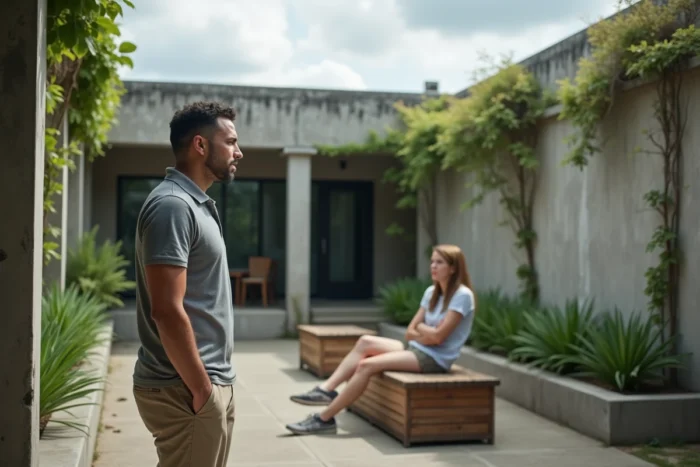
Responsibilities of the educational instructor: what daily life really demands
Job descriptions often list generic responsibilities. In the field, educational work is divided into very concrete situations that mobilize distinct skills.
Support for daily life
This is the foundation. Meals, hygiene, transportation, budget management for certain adult populations. The goal is not to do it for them, but to create the conditions for autonomy. With children in a shelter, this involves learning daily routines. With adults with disabilities, the environment is adapted so that the person can act independently as much as possible.
Facilitating educational and social activities
Cooking workshops, cultural outings, adapted sports activities, artistic expression sessions. The educational instructor designs these activities in connection with the personalized project of each user. An activity is not chosen because it appeals to the team, but because it meets an identified educational objective.
Working in a multidisciplinary team
Psychologists, specialized educators, social service assistants, doctors: the educational instructor rarely works alone. Communicating daily observations to the team remains a central skill. A change in behavior noticed during a meal can influence the entire care approach.
- Writing observation reports for synthesis meetings
- Participating in the development and monitoring of personalized projects
- Coordinating with families and external partners (school, employer, health services)
Training for the State diploma of educational instructor (DEME): pathways and access
The State diploma of educational instructor (DEME) is the only title required to practice. Recognized at the high school level, it is prepared over two years in accredited training institutes. Selection is based on application and interview, with no prior diploma requirement.
The training alternates between theoretical courses and practical internships. A significant part of the curriculum is spent immersed in social or medico-social sector structures. It is during these internships that one discovers the reality of irregular hours, weekend duties, and the emotional burden of the job.
Holders of the baccalaureate or an equivalent diploma are exempt from the written admission test. The training is also accessible through apprenticeships, allowing for remuneration while validating the diploma.
Bridges to other social work diplomas
The DEME opens concrete pathways. With a few years of experience, one can prepare for the State diploma of specialized educator (DEES) with training reductions. Some modules are shared between the two programs, which shortens the duration of further studies.

Job prospects and sectors hiring in France
The social and medico-social sector remains under pressure for educational positions. Educational instructors find jobs in very diverse structures:
- Child welfare and social child care homes (MECS), where they support placed minors
- Medico-educational institutes (IME) and establishments for adults with disabilities (life homes, accommodation centers, ESAT)
- Social reintegration and accommodation centers (CHRS) welcoming people in precarious situations
- Home support services, a developing sector with the inclusion policy
Job offers published on France Travail show sustained demand across the territory. Associative structures represent the majority of employers in this field, ahead of public hospital and territorial services.
Career advancement often involves specialization or taking on more responsibility. After several years, some educational instructors become heads of educational services, project coordinators, or shift towards peer training. Others choose to complement their path with the specialized educator diploma to broaden their field of intervention.
The role of educational instructor remains rooted in direct relationships with the individuals supported. It is this daily proximity, with its scheduling constraints and emotional load, that distinguishes the position from other social work professions.